
Branding
●
Nov 29, 2024
●
9 minutes to read
Why a Strong Brand Identity Can Make or Break Indian Startups
Every week in India, hundreds of start-ups launch and most of them disappear without anyone remembering their name.
Here is why that happens, and how to make sure yours is not one of them.


Every week in India, hundreds of startups launch and most of them disappear without anyone remembering their name.
It is rarely because the product was bad. More often, it is because no one knew what to make of the business. The website looked generic. The messaging felt unclear. The brand left no impression, so the market moved on.
India's start-up ecosystem is one of the fastest-growing in the world, with over 100,000 registered start-ups competing for consumer attention, investor capital, and market share. In that environment, the bar for first impressions has never been higher.
7 sec
23%
Revenue increase from consistent brand presentation
20%
Higher pricing power for consistently branded startups
How Brand Identity Gives Indian Startups a Competitive Edge
When you enter a market where dozens of players offer similar products, differentiation becomes your most valuable weapon and brand identity is how you wield it. A well-crafted brand gives your start-up a distinct personality, a clear set of values, and a visual language that immediately sets you apart.
Many founders treat branding as something to revisit after product-market fit. The reality is the opposite.
Start-ups that invest in brand identity from the beginning establish market presence faster, earn trust sooner, and avoid the expensive and disruptive process of rebranding later . A process that typically costs three to five times more than building it right the first time.
The Business Impact of Strong Branding

Building a Brand Identity for Your Indian Startup: Strategy Comes Before Design
One of the most common and costly misconceptions is that brand identity begins with a logo. It does not. It begins with clarity about who you are, who you serve, and why you exist.
Before any visual work begins, founders need to answer three fundamental questions.
What problem are you solving, and why does it matter to the specific people you serve?
Who is your ideal customer, and what do they care about beyond the product itself?
What do your competitors look like, and where is the gap you can own?
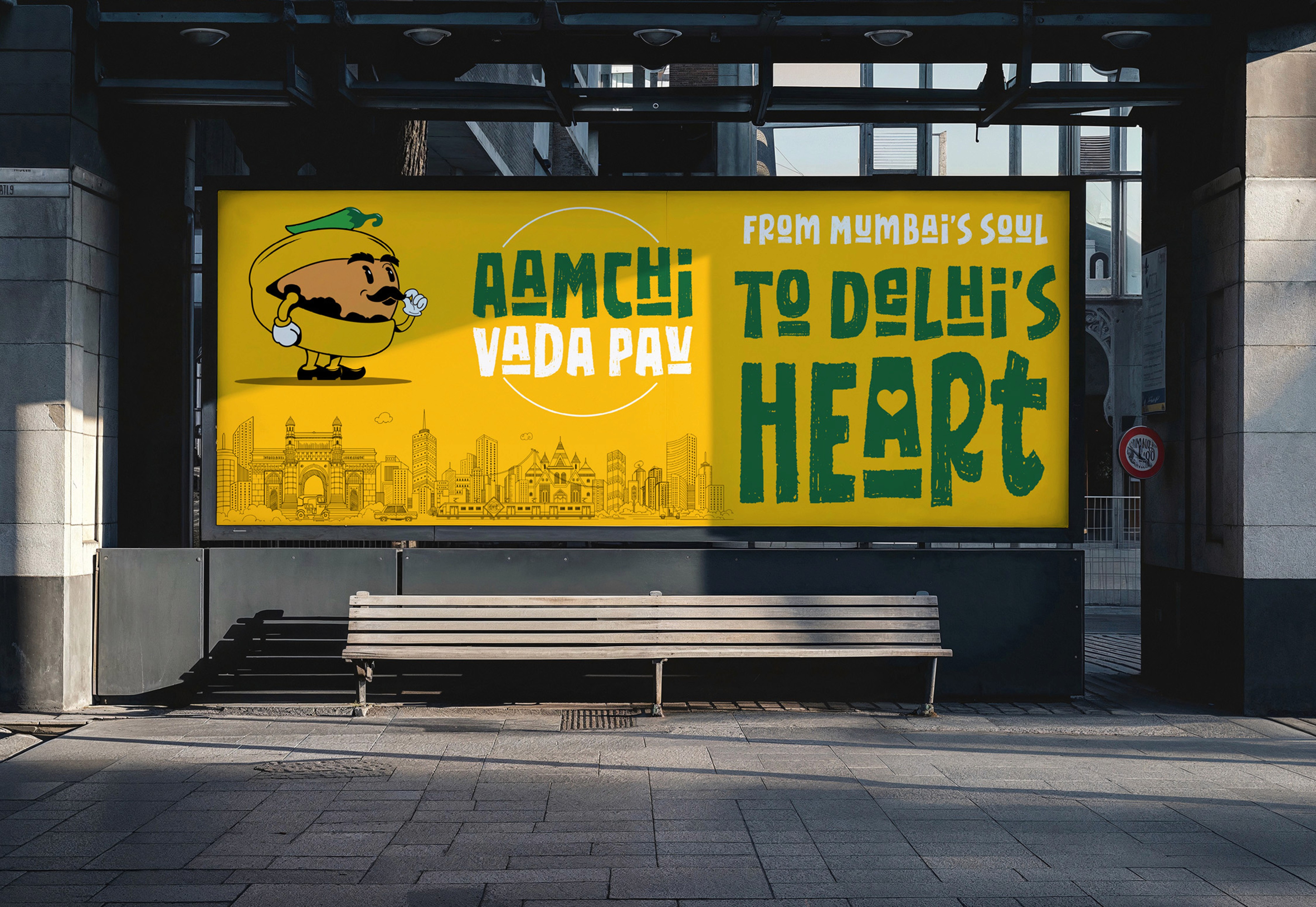
Street Food · Branding
Traditional roots, modern appeal
Urban millennial audience seeking nostalgia without compromising on a premium experience. Identity drove immediate recognition in food courts.
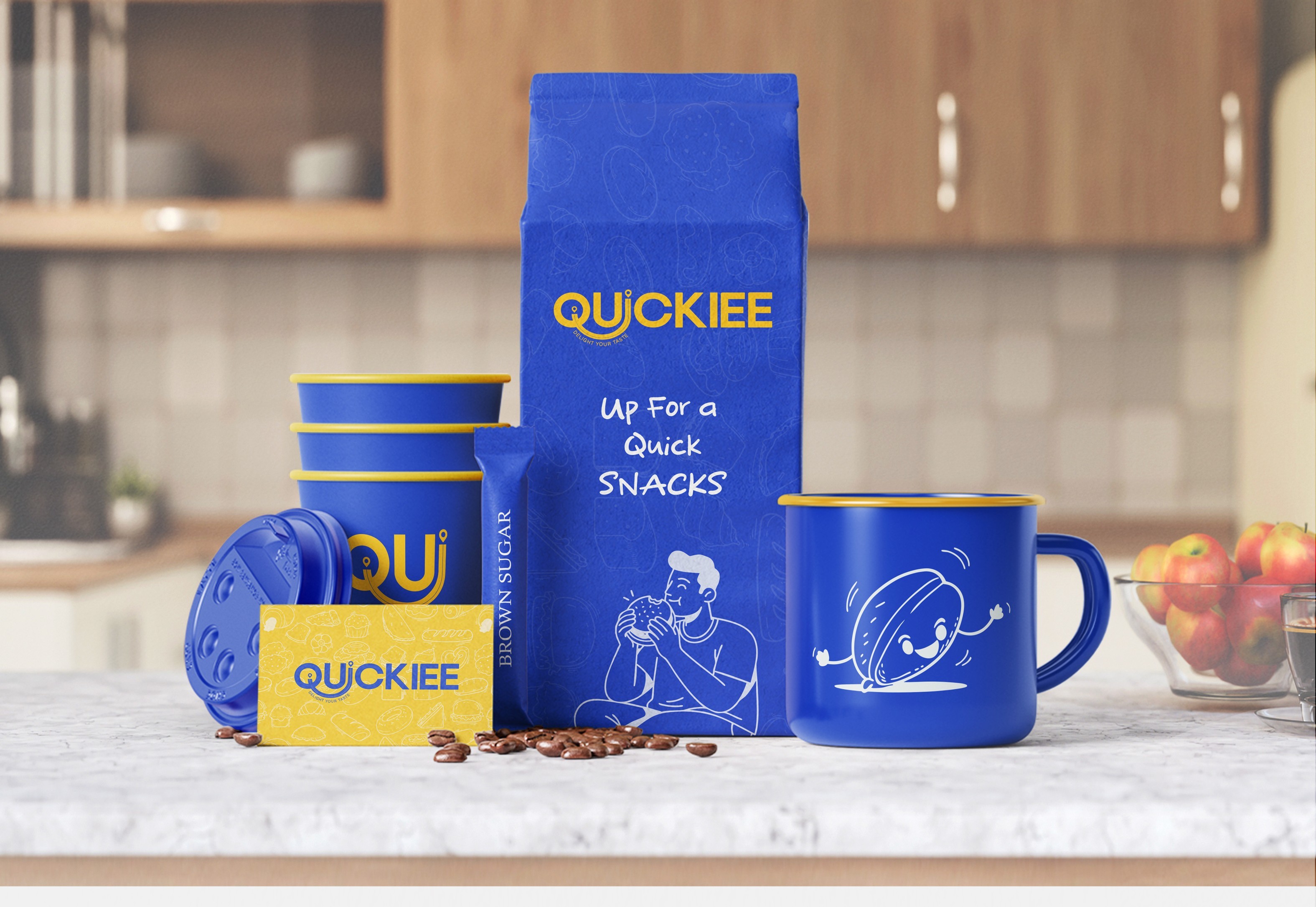
Convenience · Speed
Speed and clarity at first glance
Every design element communicated urgency and accessibility instantly, reducing the need for explanatory copy across all marketing materials.
Affordable Branding for Indian Start-ups: The Real Cost Is Waiting Too Long
Start-ups do not fail because professional branding is expensive. They fail because inconsistent, patchwork branding becomes expensive later, through lost conversions, failed fundraising attempts, and eventual rebrands that cost far more than doing it right the first time.
The key is to seek end-to-end start-up branding packages includes logo design, brand guidelines, color systems, typography, and messaging frameworks bundled together — rather than assembling these elements piecemeal over time. A disjointed approach almost always costs more, and the inconsistency it produces actively works against you.
"From the first call, LogoClub99 understood our vision, shaped it beautifully, and brought it to life beyond expectations. We couldn't be happier with the result."

J.P. Roy
CEO, Spacecollectiv
A Step-by-Step Framework to Build a Brand Identity That Resonates in India
If you are ready to build your start-up's brand identity, here is a practical framework for getting it right. This is the same process we apply across every brand identity project — from early-stage start-ups to established businesses entering new markets.
The 6-Step Brand Identity Process
FAQ
The start-ups that treat identity as a launch asset not an afterthought are the ones that compound. Every touchpoint deepens trust. Trust becomes loyalty. Loyalty becomes growth no paid channel can replicate.