
Branding
●
●
9 minutes to read
Why a Strong Brand Identity Can Make or Break Indian Startups
Every week in India, hundreds of start-ups launch and most vanish before anyone remembers their name. The product is rarely the problem. The brand almost always is.
India's start-up ecosystem now has over 100,000 registered businesses to Start-up India portal competing for the same consumer attention, investor capital, and market share. In that environment, brand identity for Indian start-ups is no longer a 'nice to have.' It is the difference between being remembered and being ignored. According to Invest India with the link after the ecosystem claim


Why Brand Identity Decides Start-up Survival in India
Research consistently shows that consumers form a lasting impression of a brand within seven seconds of first contact. Not minutes, seconds. For Indian start-ups entering crowded categories like D2C, fintech, or edtech, that first impression is often the only one they get.
Brand identity is not just a logo. It is the complete system of signals visual, verbal, and experiential that tell your audience who you are, why you exist, and whether you can be trusted. When that system is weak, inconsistent, or absent, the market fills the gap with its own assumptions. And those assumptions are almost never favourable to an unknown start-up.
The start-ups that grow fastest in India are not always the ones with the best product. They are the ones whose identity makes the product feel credible before the customer has even used it.
First impression
Revenue from consistent branding
More likely to have excellent market visibility
How Brand Identity Gives Indian Startups a Competitive Edge
When you enter a market where dozens of players offer similar products, differentiation becomes your most valuable weapon and brand identity is how you wield it. A well-crafted brand gives your start-up a distinct personality, a clear set of values, and a visual language that immediately sets you apart. Our brand identity services are built specifically for this challenge
Many founders treat branding as something to revisit after product-market fit. The reality is the opposite.
Start-ups that invest in brand identity from the beginning establish market presence faster, earn trust sooner, and avoid the expensive and disruptive process of rebranding later . A process that typically costs three to five times more than building it right the first time. Industry rebrand research
The Business Impact of Strong Branding

Strategy Before Design — The Most Ignored Rule in Start-up Branding
The most expensive mistake Indian start-up founders make is treating branding as a design task. It is not. Design is the final output of a strategic process not the starting point.
If you want to understand what a complete brand strategy actually consists of, we have broken it down in detail.
Before any visual work begins, three foundational questions must be answered clearly:
What problem are you solving, and why does it matter?
Not in generic terms, specifically, for the exact customer you serve in the Indian market.
Who is your ideal customer, and what do they care about beyond the product?
Aspiration, cultural context, and regional nuance all shape how identity lands differently in Delhi vs. Mumbai vs. Kochi.
Where is the gap in the competitive landscape you can credibly own?
Study your category. Identify what every competitor looks and sounds like. Your brand should occupy the space they all leave open.
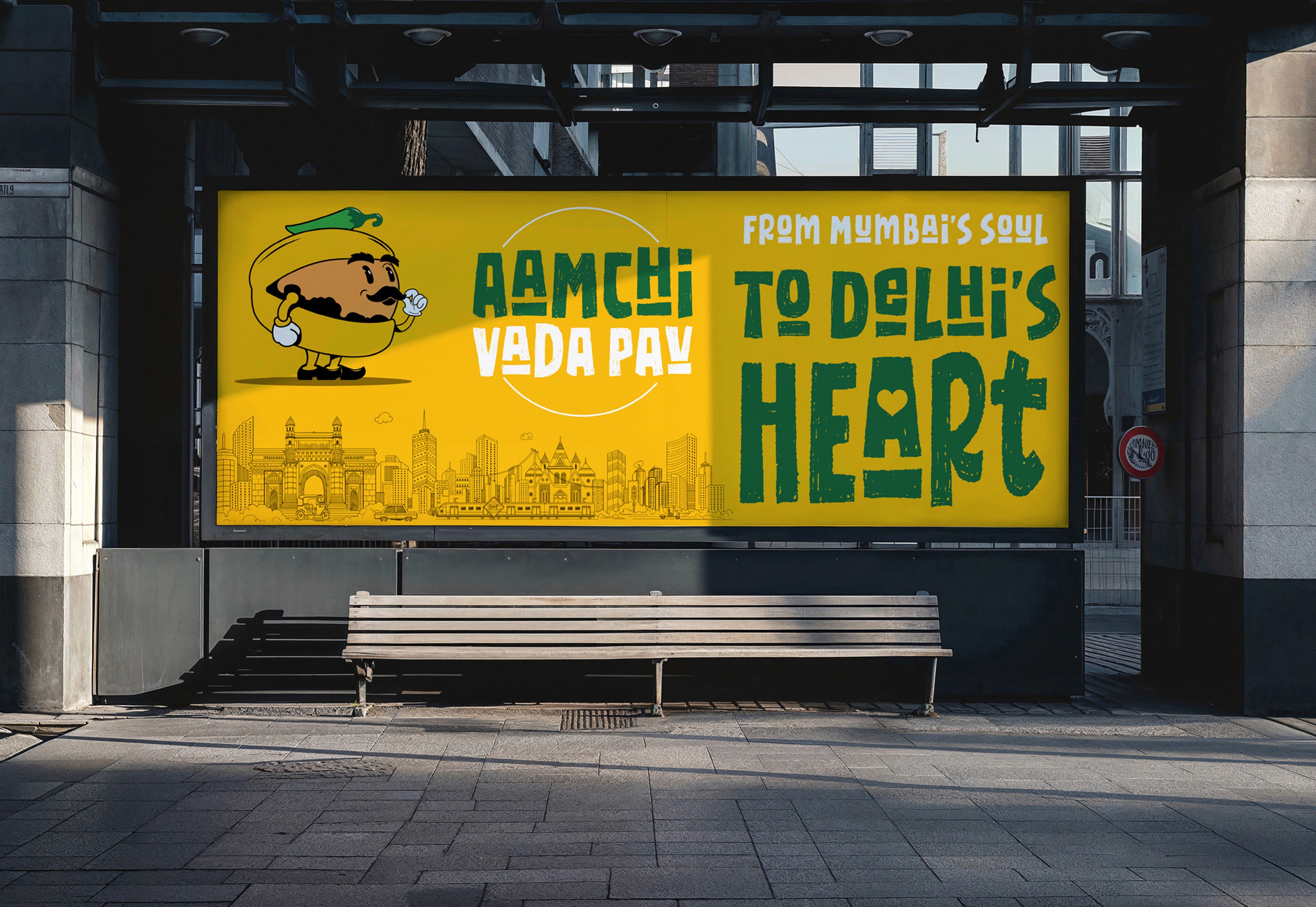
Street Food · Branding
Traditional roots, modern appeal
Urban millennial audience seeking nostalgia without compromising on a premium experience. Identity drove immediate recognition in food courts.
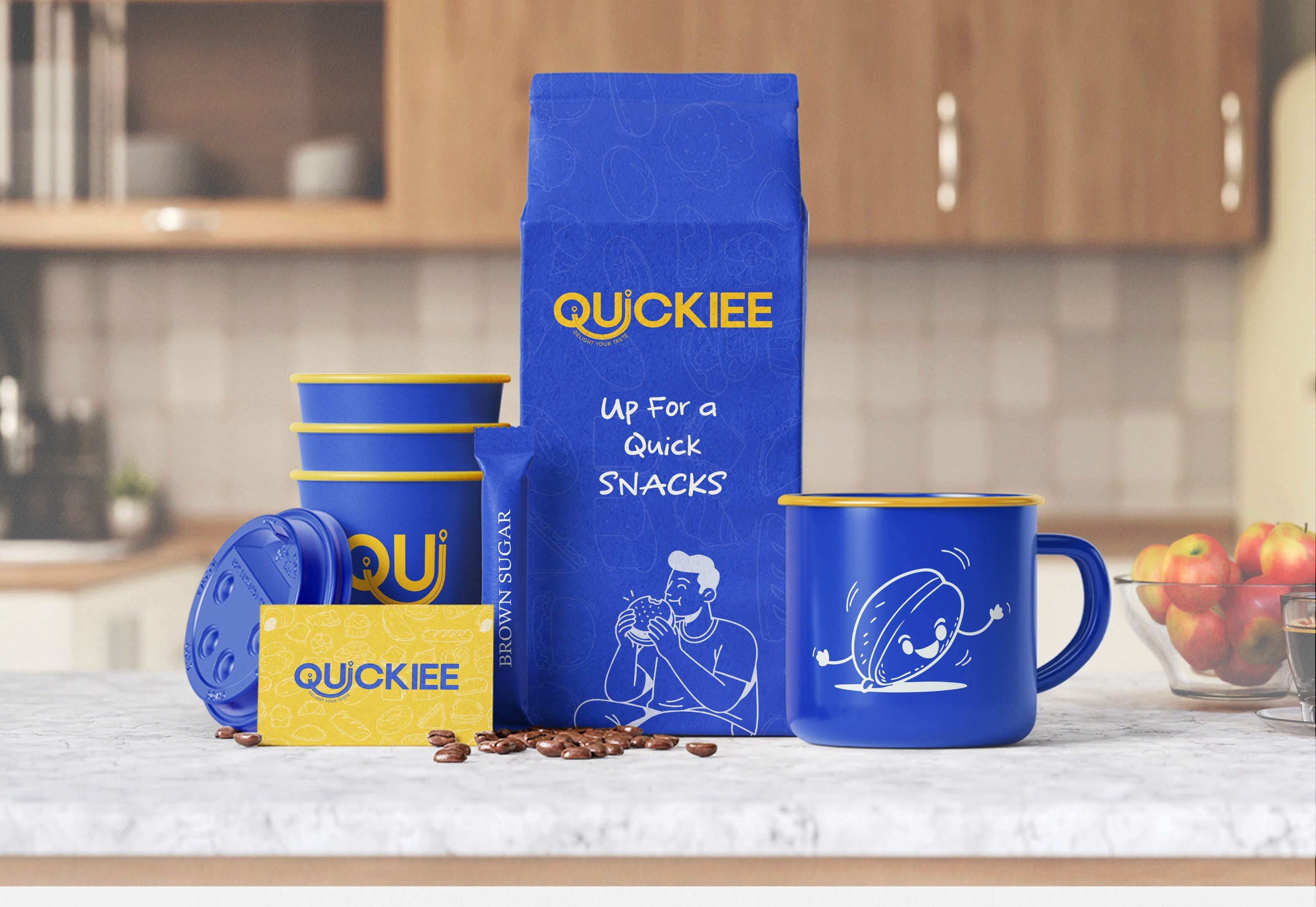
Convenience · Speed
Speed and clarity at first glance
Every design element communicated urgency and accessibility instantly, reducing the need for explanatory copy across all marketing materials.
Affordable Branding for Indian Start-ups: The Real Cost Is Waiting Too Long
Start-ups do not fail because professional branding is expensive. They fail because inconsistent, patchwork branding becomes expensive later, through lost conversions, failed fundraising attempts, and eventual rebrands that cost far more than doing it right the first time.
The key is to seek end-to-end start-up branding packages includes logo design, brand guidelines, color systems, typography, and messaging frameworks bundled together — rather than assembling these elements piecemeal over time. A disjointed approach almost always costs more, and the inconsistency it produces actively works against you.
"From the first call, LogoClub99 understood our vision, shaped it beautifully, and brought it to life beyond expectations. We couldn't be happier with the result."

J.P. Roy
CEO, Spacecollectiv
A Step-by-Step Framework to Build a Brand Identity That Resonates in India
If you are ready to build your start-up's brand identity, here is a practical framework for getting it right. This is the same process we apply across every brand identity project from early-stage start-ups to established businesses entering new markets.
The 6-Step Brand Identity Process
How Much Does Startup Branding Cost in India?
The honest answer: less than not doing it properly.
Indian startups that delay branding or assemble it piecemeal a logo from a freelancer, a color palette from a template, messaging from a copywriter who has never seen either almost always end up spending more. Not less. The inconsistency actively reduces conversion rates, weakens investor confidence, and ultimately requires a full rebrand.
The smarter approach is to seek end-to-end startup branding packages that bundle logo design, brand guidelines, color systems, typography selection, and messaging frameworks into a single coordinated project. This approach costs less overall, produces a more coherent result, and eliminates the expensive friction of trying to align disconnected elements later.
For Indian startups specifically, affordable brand identity is not about the cheapest option it is about the option that avoids the most expensive mistakes.
Common Branding Mistakes Indian Founders Make
Treating the logo as the brand. The logo is one element of the brand. Without the strategy, voice, and guidelines behind it, a great logo still cannot build recognition.
Prioritizing aesthetics over clarity. A beautiful design that does not communicate what you do — and for whom — is a liability, not an asset.
Copying category conventions. If your brand looks like every other player in your category, you are not competing — you are hiding.
Skipping brand guidelines. Without a documented system, every new hire, vendor, or collaborator makes their own brand decisions. Inconsistency compounds quickly.
Waiting for scale. Every month you operate without a coherent brand is a month of lost impression-building. First customers form perceptions that are extremely difficult to change.
"We created LogoClub99 to provide startups with the level of strategic branding usually reserved for enterprise-level corporations.

Start-ups don't become brands when they grow. They grow because they become brands
The startups that treat identity as a launch asset — not an afterthought — are the ones that compound. Every touchpoint deepens trust. Trust becomes loyalty. Loyalty becomes growth no paid channel can replicate.