
Background shadow
Branding

Feb 25, 2026

11 min read

Beyond the Logo: Why Growing Businesses in India and UAE Need a Complete Brand Strategy

Most growing businesses have a logo. Very few have a brand strategy. Here is the difference and why it determines which businesses scale and which ones stall.

LOGOCLUB99 | Editorial

Brand Strategy & Design

Brand Strategy & Design

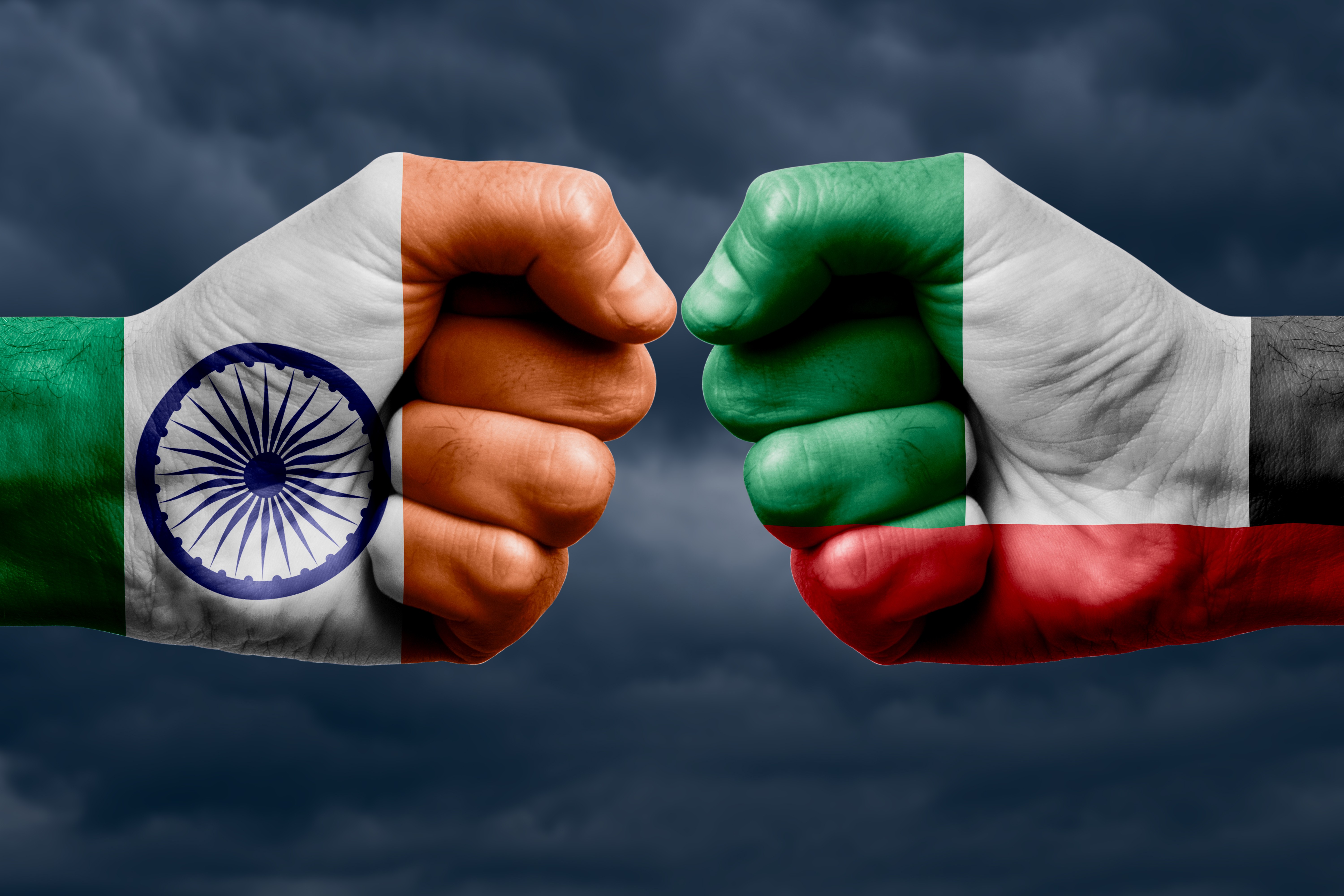
Brand strategy session for a growing business in India and UAE — moving beyond logo to complete brand identity

"We love the product. But your brand feels small."

That sentence landed in the middle of what should have been a closing meeting. The founder had spent eight months building the product. The numbers were strong. The demo had gone well. And then, in the last ten minutes, the investor leaned back and said it — not unkindly, but clearly enough that it stayed in the room long after the meeting ended.

"You look like a start-up. We need to know you can handle enterprise."

That moment hits almost every scaling company at some point. Sometimes it comes from an investor. Sometimes from a senior hire who quietly takes a different offer. Sometimes from a client who chose the competitor with the inferior product because they looked more established. The product was not the problem. The brand had not kept up.

20%+

20%+

20%+

Revenue premium for businesses with consistent brand presentation over fragmented competitors

200+

200+

200+

Nationalities a UAE brand must communicate across, requiring genuine strategic coherence

3–5×

3–5×

3–5×

More expensive to rebrand at scale than to build brand strategy correctly from the start

The Real Problem Is Not the Logo

Most founders who hear that feedback go straight to design. New logo. New website. New colours. It fixes the symptom. It does not fix the problem.

Because the problem is almost never the logo. The problem is that the business grew faster than its identity. Every touchpoint the website, the pitch deck, the sales materials, the LinkedIn page, the email signature was built by different people, at different moments, without a shared strategic foundation underneath any of it.

Nothing was wrong, exactly. But nothing felt like the same company.

That is a brand strategy problem. And it is the most common growth bottleneck for scaling businesses in India and the UAE has two markets where the gap between how a business presents and what it has actually built is noticed immediately, and forgiven slowly.

What the Brand Gap Actually Costs a Scaling Business

The brand gap that costs scaling businesses in India and UAE — inconsistent identity across touchpoints

Why This Happens Faster in India and UAE Than Almost Anywhere Else

Both markets move at a speed that outpaces most brand-building processes. And what makes each market demanding is entirely different, which is precisely why a single generic approach fails in both.

For companies operating across both markets simultaneously, an increasingly common ambition and the challenge compounds. A brand credible in Abu Dhabi's formal institutional environment needs to feel dynamic enough for Bengaluru's start-up ecosystem. This is where growth starts creating confusion.

What Most Companies Think Branding Is And What It Actually Is

Most businesses think of branding as the visual layer on top of the business. The logo. The colours. The way things look. That is brand design. It is necessary. It is not sufficient.

Brand strategy is the foundation underneath the design. It is the documented answer to questions most businesses have never formally asked:
Who are we specifically for?
What do we own in this market that no competitor can credibly claim?
What does our ideal customer need to feel at every point of contact and are they feeling it?

Without those answers, design work produces attractive outputs with no strategic logic underneath them. The logo looks good. The website looks good. And yet something still feels inconsistent, different parts of the business not quite saying the same thing. With those answers documented, everything changes. Every design decision has a filter. Every messaging choice has a reference point. Every new hire and every agency brief starts from the same foundation rather than reinventing it.

Nothing changes in service delivery. Everything changes in how the business is perceived. That gap between what you deliver and how you are perceived is exactly what brand strategy closes.

"From the first call, LogoClub99 understood our vision, shaped it beautifully, and brought it to life beyond expectations. We couldn't be happier with the result."

J.P. Roy, CEO of Spacecollectiv — LogoClub99 client testimonial on brand strategy
J.P. Roy

CEO, Spacecollectiv

The Six Things a Brand Strategy Actually Consists Of

Not a colour palette. Not a logo refresh. A system.

Five Components. One Coherent Foundation

POSITIONING

Why you — not the fifty others?

The precise definition of the territory your brand owns. Most businesses in India and UAE have positioning too broad to be memorable to anyone specific.

GUIDELINES

So new hires don't reinvent your company every week.

Brand guidelines in India serve distributed teams across cities and regions. In the UAE they enable cross-market consistency without constant centralised control.

VISUAL IDENTITY

So every touchpoint feels like the same company.

The full design system — not just a logo. For UAE, this means bilingual corporate identity design coherent in both Latin and Arabic script. A strategic challenge as much as a visual one.

ARCHITECTURE

So new products don't dilute the trust you have spent years building.

The strategic framework governing how your brand relates to new products, markets, and sub-brands. The questions only arise at scale, but they are much harder to answer under pressure.

MESSAGING

Your sales team and Instagram shouldn't sound like strangers.

Brand development in India requires a messaging framework that adapts across regional and linguistic contexts without losing the brand's core identity at any point.

THE RESULT

A brand that compounds instead of fragmenting.

Every touchpoint reinforcing the same story. Every market entry starting from strategic clarity. Every growth stage building on what came before rather than contradicting it.

POSITIONING

Why you — not the fifty others?

The precise definition of the territory your brand owns. Most businesses in India and UAE have positioning too broad to be memorable to anyone specific.

VISUAL IDENTITY

So every touchpoint feels like the same company.

The full design system — not just a logo. For UAE, this means bilingual corporate identity design coherent in both Latin and Arabic script. A strategic challenge as much as a visual one.

MESSAGING

Your sales team and Instagram shouldn't sound like strangers.

Brand development in India requires a messaging framework that adapts across regional and linguistic contexts without losing the brand's core identity at any point.

GUIDELINES

So new hires don't reinvent your company every week.

Brand guidelines in India serve distributed teams across cities and regions. In the UAE they enable cross-market consistency without constant centralised control.

ARCHITECTURE

So new products don't dilute the trust you have spent years building.

The strategic framework governing how your brand relates to new products, markets, and sub-brands. The questions only arise at scale, but they are much harder to answer under pressure.

THE RESULT

A brand that compounds instead of fragmenting.

Every touchpoint reinforcing the same story. Every market entry starting from strategic clarity. Every growth stage building on what came before rather than contradicting it.

POSITIONING

Why you — not the fifty others?

The precise definition of the territory your brand owns. Most businesses in India and UAE have positioning too broad to be memorable to anyone specific.

MESSAGING

Your sales team and Instagram shouldn't sound like strangers.

Brand development in India requires a messaging framework that adapts across regional and linguistic contexts without losing the brand's core identity at any point.

ARCHITECTURE

So new products don't dilute the trust you have spent years building.

The strategic framework governing how your brand relates to new products, markets, and sub-brands. The questions only arise at scale, but they are much harder to answer under pressure.

VISUAL IDENTITY

So every touchpoint feels like the same company.

The full design system — not just a logo. For UAE, this means bilingual corporate identity design coherent in both Latin and Arabic script. A strategic challenge as much as a visual one.

GUIDELINES

So new hires don't reinvent your company every week.

Brand guidelines in India serve distributed teams across cities and regions. In the UAE they enable cross-market consistency without constant centralised control.

THE RESULT

A brand that compounds instead of fragmenting.

Every touchpoint reinforcing the same story. Every market entry starting from strategic clarity. Every growth stage building on what came before rather than contradicting it.

About the Author

Faris is a brand strategist who builds strategy-led visual identities for high-growth businesses across India, the UAE, and the Maldives, helping founders align vision with culturally nuanced, bilingual market positioning across the Middle East and South Asia.

Faris is a brand strategist who builds strategy-led visual identities for high-growth businesses across India, the UAE, and the Maldives, helping founders align vision with culturally nuanced, bilingual market positioning across the Middle East and South Asia.

"We created LogoClub99 to provide startups with the level of strategic branding usually reserved for enterprise-level corporations.

Ibrahim Faris, founder of LogoClub99 — brand strategist for growing businesses in India and the UAE
Ibrahim Faris

Founder & Strategic Lead, LogoClub99

Ibrahim Faris, founder of LogoClub99 — brand strategist for growing businesses in India and the UAE
Ibrahim Faris

Founder & Strategic Lead, LogoClub99

Ibrahim Faris, founder of LogoClub99 — brand strategist for growing businesses in India and the UAE
Ibrahim Faris

Founder & Strategic Lead, LogoClub99

FAQ

What is the difference between a logo and a brand strategy?

A logo is a single visual mark. Brand strategy is the documented foundation underneath everything — the precise definition of who you are, who you serve, what you own in the market, and how every touchpoint should make your audience feel. Without brand strategy, design work produces attractive outputs with no strategic logic. With it, every visual and verbal decision has a filter, and every part of the business starts saying the same thing.

Why do growing businesses in India and UAE need brand strategy specifically?

Both markets move at a speed that outpaces most brand-building processes, but for different reasons. India's startup ecosystem rewards rapid scaling across linguistic and regional contexts. The UAE demands coherence across 200+ nationalities and distinct commercial cultures in Dubai, Abu Dhabi, and Sharjah. Companies operating across both simultaneously face a compounded challenge: a brand credible in Abu Dhabi's formal institutional environment must also feel dynamic enough for Bengaluru's startup ecosystem. Generic brand strategy fails both.

When is the right time for a growing business to invest in brand strategy?

Before the moment you feel you need it. The businesses that invest in brand strategy at the earliest viable stage establish market presence faster, earn investor and enterprise trust sooner, and avoid the expensive and disruptive process of rebranding at scale — which typically costs three to five times more than building it correctly from the start. If you are already hearing 'your brand feels small' from investors or losing deals to competitors with inferior products, the time was six months ago

What does a complete brand strategy consist of?

Five components: Positioning (the precise market territory you own that no competitor can credibly claim), Visual Identity (the full design system, not just a logo), Messaging (documented brand voice and language framework), Brand Guidelines (the operational system ensuring consistency across teams and markets), and Brand Architecture (the strategic framework governing how new products and markets relate to the core brand). Each component is necessary. None is sufficient alone.

How long does brand strategy take and how much does it cost?

At LogoClub99, we deliver a complete brand identity system — strategy, logo, guidelines, colour, typography, and messaging — in 12 days. Cost varies based on scope and the maturity of the business. The more relevant number is what fragmented, inconsistent branding costs in lost conversions, failed fundraising, and eventual rebrands. Book a free brand consultation at logoclub99.com/lets-collaborate to discuss your specific situation.

Start-up's don’t grow into brands. They grow because they become brands

Start-up's don’t grow into brands. They grow because they become brands

Start-up's don’t grow into brands. They grow because they become brands

The start-ups that treat identity as a launch asset not an afterthought are the ones that compound. Every touchpoint deepens trust. Trust becomes loyalty. Loyalty becomes growth no paid channel can replicate.

Ready to build your brand?

Let's figure it out together. Book your free brand consultation today.

<!-- Article Schema --> <script type="application/ld+json"> {   "@context": "https://schema.org",  "@type": "Article",  "headline": "Maldives Resort vs Guesthouse Branding: Two Completely Different Problems",  "author": {    "@type": "Person",     "name": "Ibrahim Faris",     "url": "https://www.linkedin.com/in/ibrahim-faris-a39960189"   },  "publisher": {    "@type": "Organization",     "name": "LogoClub99",    "logo": {      "@type": "ImageObject",       "url": "https://logoclub99.com/logo.png"     }  },   "datePublished": "2026-02-21",  "dateModified": "2026-02-23",   "mainEntityOfPage": "https://logoclub99.com/articles/maldives-resort-vs-guesthouse-branding",   "description": "Maldives resort and guesthouse branding are not the same challenge. Learn the visual identity strategy that works for each — from LogoClub99.",   "image": "https://logoclub99.com/images/maldives-resort-vs-guesthouse-branding-two-markets.jpg",   "keywords": "Maldives resort branding, guesthouse branding Maldives, hotel logo design Maldives, Maldives hospitality branding" } </script> <!-- Canonical --> <link rel="canonical" href="https://logoclub99.com/articles/maldives-resort-vs-guesthouse-branding">  <!-- OG Tags --> <meta property="og:title" content="Maldives Resort vs Guesthouse Branding: Two Different Problems"> <meta property="og:description" content="Two markets. Two audiences. Two completely different brand strategies. LogoClub99 breaks down Maldives hospitality branding."> <meta property="og:image" content="https://logoclub99.com/images/maldives-resort-vs-guesthouse-branding-two-markets.jpg"> <meta property="og:url" content="https://logoclub99.com/articles/maldives-resort-vs-guesthouse-branding"> <meta property="og:type" content="article">
<link rel="canonical" href="https://logoclub99.com/blog/maldives-resort-vs-guesthouse-branding">